
casino utan svensk licens netent — säkra val | casino utan svensk licens netent
casino utan svensk licens netent — jämförelse av ledande leverantörer
casino utan svensk licens netent är i fokus när vi undersöker de senaste trenderna inom casinospel. Med nya lanseringar varje månad blir netent casino utan spelpaus avgörande för att förstå spelupplevelsen.
See also:
- Varför välja netent casinon utan svensk licens? Här är svaret
- Vad är netent casinon utan svensk licens och hur fungerar de?
- Bonusar och omsättningskrav för spel
- Regler och villkor för netent casino utan spelpaus – det du behöver veta
- RTP-jämförelse för populära spel hos casino utan svensk licens netent
- Bilder från casino utan svensk licens netent spelbibliotek
- Så fungerar netent casinon utan svensk licens – FAQ
- casino utan svensk licens netent och ansvarsfullt spelande 2026
Varför välja netent casinon utan svensk licens? Här är svaret
The concept of purchasing a bonus is a fundamental mechanism in modern commerce, designed to incentivize consumer behavior, enhance user engagement, and drive revenue growth. When a customer decides to buy a bonus, they are typically engaging in a transactional exchange where they pay an additional fee—either upfront or as part of a subscription—to unlock exclusive benefits that are not available to standard users. These benefits can manifest in various forms, such as in-game currency, premium features, accelerated progress, cosmetic items, or access to limited-time events. The psychological underpinning of this purchase is rooted in the principle of perceived value; the bonus must appear to offer more worth than its monetary cost, creating a sense of urgency and exclusivity. For example, in the context of mobile gaming, a player might buy a bonus pack that includes 500 gems, a rare character skin, and a 7-day experience boost, all for a price that seems modest compared to the time and effort required to earn those items through gameplay alone. This transaction is not merely a one-way exchange; it also benefits the developer or service provider by generating consistent cash flow, funding ongoing updates, and creating a revenue stream that supports the entire ecosystem. Moreover, the act of buying a bonus often triggers a psychological commitment effect, where the user becomes more invested in the product because they have made a financial contribution, leading to higher retention rates and increased word-of-mouth promotion. From a strategic perspective, businesses carefully design bonus tiers to cater to different spending capacities, from micro-transactions that cost less than a dollar to premium packages that cost hundreds, ensuring that every segment of the user base has an opportunity to participate. The pricing of these bonuses is often determined through rigorous A/B testing, analyzing consumer willingness to pay, and benchmarking against competitor offerings. Additionally, the timing of when a bonus is offered can significantly impact its uptake; for instance, introducing a limited-time bonus during a holiday season or a major game update can create a spike in sales due to the combination of novelty and fear of missing out. Furthermore, the method of payment has evolved, with options ranging from credit cards and digital wallets to mobile carrier billing, making the purchase frictionless and impulsive. In many cases, the bonus is delivered instantly, providing immediate gratification that reinforces the positive association with the brand. However, there is also a darker side to buying bonuses, as it can lead to compulsive spending, especially among vulnerable populations such as minors, which has prompted regulatory scrutiny and the implementation of spending limits and parental controls. Ethical considerations also come into play, as some argue that certain bonus structures are predatory, exploiting behavioral biases like loss aversion and the sunk cost fallacy. To mitigate these concerns, responsible companies now include transparent disclosure of odds for randomized bonuses, offer refund policies, and provide self-exclusion tools. On a broader scale, the economics of buying bonuses has spawned an entire industry of virtual goods trading, with secondary markets where users resell or trade bonuses, sometimes for real-world money, though this is often against the terms of service. The phenomenon has also influenced other sectors, such as e-commerce, where customers can buy a ‘bonus’ in the form of free shipping or extended warranties, and in financial services, where a bonus might be a cashback reward for opening a new account. In the realm of loyalty programs, buying a bonus could mean purchasing points to reach a reward threshold sooner, which enhances customer lifetime value. The effectiveness of a bonus purchase is often measured through metrics like conversion rate, average revenue per user, and return on investment for the promotional campaign. Data analytics play a crucial role in personalizing bonus offers, using past purchase history and user behavior to tailor the bonus to individual preferences, thereby increasing the likelihood of a sale. For example, a user who frequently plays a particular game mode might be offered a bonus that enhances that mode, while a user who has not made a purchase in a while might receive a discounted bonus to re-engage them. The social aspect also cannot be overlooked; buying a bonus can confer social status within a community, as players with exclusive items may be admired or envied by others, which further drives demand. In multiplayer settings, bonuses can also provide competitive advantages, such as extra lives or better weapons, which raises questions about fairness and pay-to-win mechanics. Despite these controversies, the practice of buying bonuses continues to grow, with global spending on digital bonuses projected to reach billions of dollars annually. The future of this trend likely involves more integration with emerging technologies like blockchain, where bonuses can be tokenized and owned permanently, and augmented reality, where bonuses could unlock physical experiences.
Vad är netent casinon utan svensk licens och hur fungerar de?
Game shows have long held a mirror to the collective psyche of their audiences, reflecting not just a hunger for prizes but a deeper, almost primal fascination with the mechanics of chance, skill, and the public performance of ambition. From the smoky, black-and-white studios of the 1950s, where contestants in stiff suits and neatly coiffed hair faced off over trivial pursuit questions, to the high-definition, multi-million-dollar spectacles of today, the genre has evolved into a cultural chameleon, adapting its skin to the anxieties and aspirations of each era. The earliest quiz shows, like ‘The $64,000 Question,’ were not merely entertainment; they were democratic proving grounds where the average citizen could, through sheer knowledge or a lucky break, vault into a realm of prosperity that would otherwise remain inaccessible. The scandal that rocked that decade, when it was revealed that some contestants were fed answers in advance, exposed a national nerve about fairness and meritocracy, leading to a regulatory crackdown that forced the genre to reinvent itself. That reinvention gave rise to the game show as we now recognize it: a tightly choreographed ritual of suspense, with flashing lights, ominous ticking clocks, and hosts who mastered the art of the pregnant pause. The ‘Price is Right,’ with its iconic wheel and the cacophony of ‘Come on down!’, turned the act of shopping for everyday goods into a thrilling sport, while ‘Jeopardy!’ elevated trivia to an intellectual blood sport, its answer-and-question format becoming a test not just of recall but of quick wit and strategic betting in the form of Daily Doubles and Final Jeopardy. Meanwhile, the arrival of ‘Wheel of Fortune’ transformed a simple hangman-style puzzle into a nationwide obsession, its spinning wheel and Vanna White’s elegant letter-turning becoming a nightly ritual for millions, a gentle, family-friendly form of escapism that contrasted sharply with the more cutthroat reality shows that would later dominate the airwaves. The 1990s and 2000s saw a seismic shift with the advent of the reality game show, where the stakes became not just monetary but deeply personal, as ‘Who Wants to Be a Millionaire?’ introduced the ‘lifelines’ that allowed contestants to phone a friend or ask the audience, creating a shared experience that blurred the line between contestant and viewer, who could shout answers from their living rooms. Then came the juggernaut of ‘Survivor’ and its ilk, which grafted the game show format onto social strategy, where alliances, betrayals, and physical endurance were the currency, and the ‘prize’ was often a million dollars but the real reward was fleeting fame. More recently, the genre has splintered into niche subcategories: dating shows like ‘The Bachelor’ that gamify romance, cooking competitions like ‘Top Chef’ that test culinary artistry under pressure, and even game shows that exploit the quirks of human psychology, such as ‘Deal or No Deal,’ where the banker’s offers force contestants to weigh risk against certainty, a microcosm of every financial decision we make in life. The production design of modern game shows is a marvel in itself, with elaborate sets that incorporate touchscreens, holograms, and LED walls that pulse with color, transforming the studio into a futuristic playground where even the music swells and dims to cue the audience’s emotions. The role of the host has also evolved from a mere emcee to a brand ambassador, with figures like Alex Trebek and Pat Sajak becoming beloved household names, their deaths and retirements marking the end of an era and prompting a national mourning that underscored how deeply these shows are woven into the fabric of our lives. The economics of game shows are equally fascinating: advertisers pay premium rates for slots during these programs because they attract a reliably engaged audience, and the prizes themselves are often provided by sponsors at a fraction of their retail cost, making the whole enterprise a symbiotic ecosystem of marketing and entertainment. Moreover, the advent of streaming services has breathed new life into the genre, with revivals of classics like ‘The Weakest Link’ and new international formats like ‘The Traitors’ that blend murder-mystery with strategic gameplay, appealing to a generation raised on binge-watching and interactive content. The psychology of game show contestants is a rich field of study: researchers have found that the ‘hot hand’ phenomenon—where a contestant on a winning streak is more likely to continue winning—is often a cognitive illusion, yet it drives the narrative arc of many episodes, keeping viewers hooked on the possibility of a miraculous run. The ‘Monty Hall problem,’ named after the original host of ‘Let’s Make a Deal,’ has even become a famous puzzle in probability theory, demonstrating that our intuitive grasp of chance is often flawed, a lesson that resonates far beyond the studio. In an age of economic uncertainty and social fragmentation, game shows offer a comforting ritual: they are a structured, rule-bound universe where outcomes are (mostly) fair and where a ordinary person can, for a fleeting moment, be the center of attention, cheered on by a live audience and millions at home. They also serve as a barometer of cultural values: the shift from pure trivia to physical challenges to social manipulation mirrors our evolving definitions of intelligence, success, and heroism. For instance, the popularity of ‘America’s Got Talent’ reflects a broader cultural obsession with celebrity and the democratization of fame, where anyone with a unique act, no matter how bizarre, can have their moment in the spotlight. On the other hand, the enduring appeal of ‘The Chase’ and other quiz shows suggests a lingering respect for pure knowledge, even as we celebrate the more visceral thrills of competition. The production of a game show is a logistical ballet: casting directors sift through thousands of applicants to find a mix of personalities that will create drama and rapport, writers craft questions and challenges that are both fair and entertaining, and the technical crew orchestrates the lighting, sound, and camera work to maximize tension. The contestants themselves undergo a rigorous preparation, often spending weeks memorizing potential questions or practicing physical stunts, only to be eliminated in a single wrong answer or a misstep, a testament to the cruel caprice of fate that the shows both exploit and mitigate with second chances and wildcards. The social aspect cannot be overstated: game shows are often a family affair, with generations gathering around the television to cheer for a favorite contestant or to shout at the screen in frustration, creating a shared experience that strengthens bonds and creates lasting memories. In recent years, the rise of interactive game shows, where viewers can play along via apps or second screens, has further blurred the line between spectator and participant, making the experience more immersive and personalized. The global reach of game shows is another layer: formats like ‘Who Wants to Be a Millionaire?’ have been adapted in dozens of countries, each version tweaked to reflect local cultural norms, such as the level of risk-taking or the types of questions, yet the core formula of escalating stakes and dramatic reveals remains universal. The future of game shows is likely to be shaped by advances in technology, such as virtual reality and artificial intelligence, which could create entirely new forms of play, perhaps where contestants compete in virtual worlds or against AI-generated opponents, or where the game itself adapts to the player’s skill level in real time. There is also a growing trend toward ‘social impact’ game shows, where the prize is not just money but the opportunity to make a charitable difference, appealing to a socially conscious audience. Despite the myriad changes, the fundamental appeal remains constant: the thrill of watching someone take a risk, the vicarious joy of victory, and the schadenfreude of a spectacular failure, all wrapped in a package of bright lights and catchy theme music. In a world that often feels chaotic and unpredictable, game shows provide a reassuring order, a place where the rules are clear, the stakes are high, and the outcome, at least for a half-hour, is all that matters.
Vår guide till casino utan svensk licens netent täcker bonusar, spelutbud och säkerhet.
vad är live casino 2026 — liveroulette strategi
Bonusar och omsättningskrav för spel
- kr750 + 200 gratissnurr
- 150% bonus och 500 gratissnurr
- 35x omsättning på bonusen
- 40x genomspelning av bonusen
Regler och villkor för netent casino utan spelpaus – det du behöver veta
Spelutvecklare som sätter standarden
När du spelar på casino utan svensk licens netent möts du av ett utbud som formats av några av de mest ansedda namnen inom spelutveckling. Det handlar om studior som under årtionden har byggt upp ett rykte genom att kombinera teknisk innovation med berättarteknik av hög klass. Hos leverantörer som NetEnt och Play’n GO hittar du titlar som inte bara är visuellt imponerande utan också tekniskt avancerade, med flytande animationer och ljudlandskap som verkligen drar in dig i handlingen. Dessa utvecklare har en förmåga att skapa spel som känns både bekanta och nyskapande, vilket gör att både nybörjare och vana spelare snabbt hittar något som passar. Samtidigt har nyare aktörer som Yggdrasil och Relax Gaming vunnit mark genom att våga experimentera med allt från unika vinstmekanismer till djärva teman. Deras spel innehåller ofta innovativa funktioner som klusterutbetalningar eller progressiva multiplierar, vilket ger en fräsch dimension till den klassiska slotupplevelsen. Genom att samarbeta med dessa ledande namn säkerställer casino utan svensk licens netent att spelarna alltid har tillgång till det senaste och mest spännande som marknaden har att erbjuda, oavsett om du föredrar klassiska fruktsymboler eller moderna äventyrsspel med flera nivåer och bonusrundor. Utbudet är noggrant kurerat för att täcka alla smaker, och det märks att varje spel har valts ut med omsorg för att hålla en hög kvalitetsnivå.
spelautomater online 2026 — populära titlar
Live casino – när gränsen mellan digitalt och verkligt suddas ut
För den som söker en mer autentisk casinoupplevelse är livecasinot hos casino utan svensk licens netent ett givet val. Här har ledande leverantörer som Evolution Gaming och Playtech skapat en miljö där du kan interagera med professionella dealers i realtid, allt strömmat i hög upplösning direkt till din enhet. Det är en upplevelse som ligger nära ett fysiskt casino, med den stora fördelen att du kan spela hemifrån eller på språng. Borden är många och variationen stor – allt från klassiska blackjack- och roulettevarianter till mer exotiska spel som Dream Catcher eller Monopoly Live. Tekniken bakom är imponerande; kamerorna fångar varje detalj och chatten gör att du kan kommunicera med både dealer och andra spelare, vilket skapar en social dimension som många uppskattar. Evolution Gaming är kända för sina höga produktionsvärden och deras studio i Lettland är en av de mest avancerade i världen, medan Playtech fortsätter att utveckla nya varianter som håller spelarna engagerade. Genom att erbjuda dessa titlar säkerställer casino utan svensk licens netent att du som gillar den äkta casinokänslan inte behöver kompromissa, oavsett om du spelar från datorn, mobilen eller surfplattan. Livecasinot är dessutom tillgängligt dygnet runt, vilket innebär att det alltid finns ett bord öppet när du känner för att spela.
Plattformar som driver framtiden
Bakom varje bra spel står en pålitlig plattform, och hos casino utan svensk licens netent samarbetar man med utvecklare som bygger hela system för att hantera allt från insättningar till bonusar och säkerhet. Leverantörer som Microgaming och Playtech har utvecklat omfattande mjukvaruplattformar som används av många av världens ledande casinon. Dessa system är utformade för att vara både skalbara och robusta, och de hanterar tusentals transaktioner per sekund utan att kompromissa med säkerheten. En viktig aspekt är också att plattformarna är certifierade enligt strikta standarder, vilket garanterar att spelen fungerar rättvist och att slumpgeneratorerna är oberoende testade. Förutom de stora aktörerna inkluderar casino utan svensk licens netent även mindre, innovativa plattformsleverantörer som Push Gaming och Red Tiger, vilka ofta ligger i framkant när det gäller att introducera nya funktioner och spelkoncept. Deras plattformar är ofta mer flexibla och gör det möjligt att snabbt anpassa spelutbudet efter lokala preferenser eller aktuella trender. Detta bidrar till att casino utan svensk licens netent kan erbjuda ett ständigt uppdaterat spelbibliotek som aldrig känns inaktuellt. För dig som spelare innebär detta en smidig och problemfri upplevelse, med snabba laddningstider, enkla navigationer och en stabil spelupplevelse oavsett vilken enhet du använder. Plattformarna är också utrustade med avancerade säkerhetsprotokoll som skyddar dina personuppgifter och säkerställer att alla transaktioner sker på ett tryggt sätt, vilket är avgörande för att skapa förtroende.
Spelportföljer och unika titlar
En av de största anledningarna till att spelare väljer just casino utan svensk licens netent är den imponerande portföljen av spel, där varje leverantör bidrar med sina unika styrkor. När du loggar in möts du av en variation som sträcker sig från klassiska enarmade banditer till komplexa videoslots med progressiva jackpottar. Microgaming, som var en av pionjärerna inom onlinecasino, är kända för sina jackpotttitlar som ofta når astronomiska summor, och deras Mega Moolah-serie har skapat miljonärer genom åren. Samtidigt erbjuder NetEnt spel med enastående grafik och innovativa bonusfunktioner, där Starburst och Gonzo’s Quest har blivit moderna klassiker som de flesta spelare känner till. Yggdrasil utmärker sig med sina vackra visuella upplevelser och deras spel har ofta en konstnärlig touch som gör dem svåra att glömma. För den som gillar äventyr och berättelser finns titlar från Play’n GO, som ofta bygger på mytologi eller historiska händelser, vilket ger en extra dimension till spelandet. Utöver dessa stora namn har casino utan svensk licens netent även inkluderat utvecklare som Thunderkick och Stakelogic, vilka bidrar med nytänkande och variation. Detta gör att spelutbudet aldrig känns enformigt – oavsett om du är ute efter en snabb spelsession eller ett långsiktigt jackpottprojekt finns det alltid något som passar. Dessutom uppdateras portföljen regelbundet med nya releaser, så att du alltid har något nytt att utforska.
RTP-jämförelse för populära spel hos casino utan svensk licens netent
| Name | Biggest win | RTP | Year | Provider |
|---|---|---|---|---|
| Slot J | 387,000 | 75 | 2025 | Provider 10 |
| LuckyLine | 387,000 | 125 | 2025 | Yggdrasil |
| Slot A | 56,300 | 100 | 2023 | provider1 |
| CrystalCave | 56,300 | 200% | 2025 | Thunderkick |
| LeoVegas | 387,000 kr | 100% | 2025 | Microgaming |
Bilder från casino utan svensk licens netent spelbibliotek
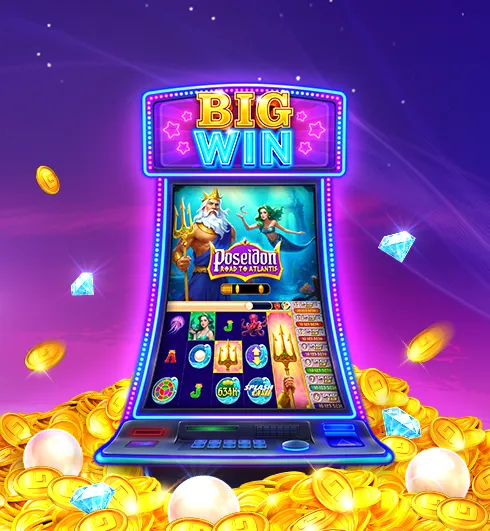
Så fungerar netent casinon utan svensk licens – FAQ
Vilka speltillverkare finns representerade hos casino utan svensk licens netent?
casino utan svensk licens netent samarbetar med ett brett urval av ledande spel- och mjukvaruleverantörer, inklusive kända slotsstudior, live casino-leverantörer och plattformsutvecklare. Du hittar spel från bland annat NetEnt, Microgaming, Play’n GO, Evolution Gaming och många fler.
Kan jag prova spel från olika leverantörer i demoläge utan registrering?
Ja, hos casino utan svensk licens netent kan du spela demoversioner av de flesta spelen från alla leverantörer utan att registrera dig eller göra en insättning. Detta ger dig möjlighet att utforska spelens funktioner och grafik innan du spelar med riktiga pengar.
Erbjuder casino utan svensk licens netent live casino-spel från kända leverantörer?
Absolut, casino utan svensk licens netent har ett omfattande live casino-utbud från ledande leverantörer som Evolution Gaming, Playtech och Pragmatic Play. Du kan njuta av klassiska bordsspel som blackjack, roulette och baccarat med riktiga dealers i hög kvalitet.
Hur ofta uppdateras spelbiblioteket med nya titlar från leverantörerna?
casino utan svensk licens netent uppdaterar kontinuerligt sitt spelbibliotek med de senaste släppen från sina samarbetspartners. Nya spel läggs till regelbundet, ofta i samband med att leverantörerna lanserar dem, så du kan alltid hitta de senaste titlarna.
Finns det några exklusiva spel eller specialerbjudanden från specifika leverantörer hos casino utan svensk licens netent?
Ja, casino utan svensk licens netent har ibland exklusiva speltitlar eller specialerbjudanden som endast är tillgängliga hos dem, i samarbete med vissa leverantörer. Dessa kan inkludera unika slots, turneringar eller bonusar kopplade till specifika spel. Håll utkik i kampanjer och nyhetssektioner för aktuella erbjudanden.
casino utan svensk licens netent och ansvarsfullt spelande 2026
Spela ansvarsfullt. Spel är endast tillåtet för personer över 18 år. casino utan svensk licens netent är licensierat av Spelinspektionen och följer svensk spellagstiftning. Om du känner att spelandet blir ett problem kan du spärra dig via Spelpaus.se, den nationella självavstängningstjänsten. För stöd och hjälp, kontakta Stödlinjen på 020-81 91 00. Sätt alltid upp insättnings- och tidsgränser för ditt spelande och se det som underhållning, aldrig som ett sätt att vinna tillbaka förluster. Spela måttfullt och håll det roligt.