
If you’ve been standing in the aisle of truck accessories – or scrolling online for hours – trying to figure out whether the BAKFlip F1 or BAKFlip G2 is the better tonneau cover for your truck, you’re not alone.
I’ve met plenty of truck owners who grabbed the wrong one simply because the differences weren’t explained in a way that felt real.
So today, imagine we’re standing next to your tailgate. I’m lifting the panels, tapping the surfaces, feeling the hinge tension, and telling you exactly what each cover is like to live with day after day.
Let’s break it down in a simple, no-nonsense way so you walk away knowing exactly which one matches your lifestyle.
Garage Gear
A Automotive Tools Blog
Quick Comparison of BAKFlip F1 vs G2 Tonneau Cover
| Feature | BAKFlip F1 | BAKFlip G2 |
|---|---|---|
| Material | Fiberglass-reinforced panels | Aluminum panels |
| Weather Protection | Excellent | Good |
| Weight | Slightly heavier | Lighter |
| Noise Control | Very quiet | Mild vibration possible |
| Finish | Premium matte | Standard aluminum |
| Strength | Very high | Moderate |
| Price | Higher | More affordable |
| Best For | Harsh conditions, heavy use | Daily general use |
Maybe you are frustrating which one you choose but key point is:
- F1 = Stronger, quieter, premium, better for harsh weather.
- G2 = Affordable, lighter, good for daily general use. You can check the top 10 BAKFlip G2 Tonneau Cover
But now let’s dive deeper – because the real differences show up in real-life use, not in marketing lines.
BAKFlip F1 vs G2 – Side-by-Side Feature Comparison
Build Strength & Material Feel – What Your Hands Will Notice Instantly
BAKFlip F1 – Built Like It’s Ready for Trouble
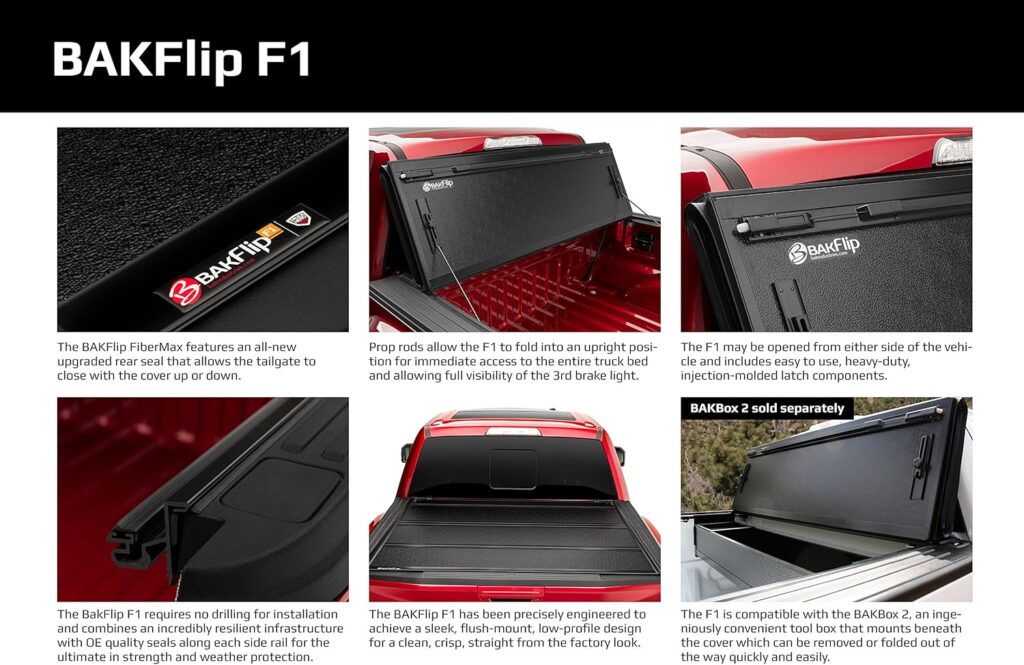
Every time I run my hand across the F1 panel, I can feel how solid the fiberglass-reinforced top really is. It doesn’t bend, doesn’t give in, and doesn’t make that hollow “thunk” sound when you tap it. It feels like a lid made for someone who doesn’t baby their truck.
If you toss heavy buckets, metal tools, or camping gear into your bed without thinking twice, the F1 will take those hits without showing scars. I’ve seen owners drop lumber corners straight onto the panel – the F1 shrugs off moments like that.
It feels like a cover made for real-life accidents, not showroom photos.
BAKFlip G2 – A Good Balance of Strength Without Excess Weight
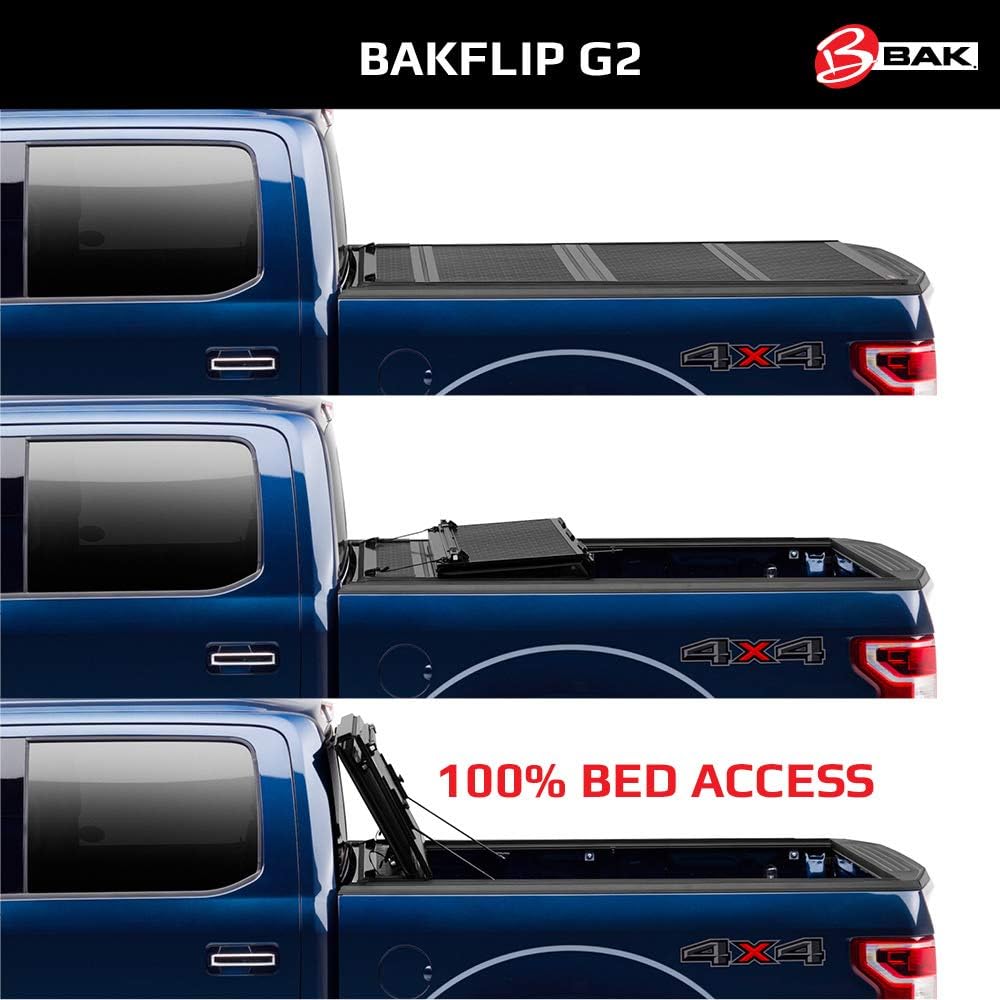
The G2, on the other hand, has a different personality. When you tap it, you hear a lighter tone. When you press the panel with your palm, it has a bit more give compared to the F1, but still feels trustworthy.
For folks who don’t throw heavy steel objects into the bed, the G2 is strong enough for typical hauling — weekend bags, coolers, boxes, tools, groceries. It’s sturdy, but not designed to swallow abuse.
If your driving life is more “normal job and daily routines” than “rough work site,” the G2’s strength is absolutely enough.
So… Who Wins This Round? F1 or G2? The BAKFlip F1 wins for its tougher, heavier-duty construction.
2. Weather Protection – What Happens During a Storm
BAKFlip F1 – All About Keeping Water Out and Peace In
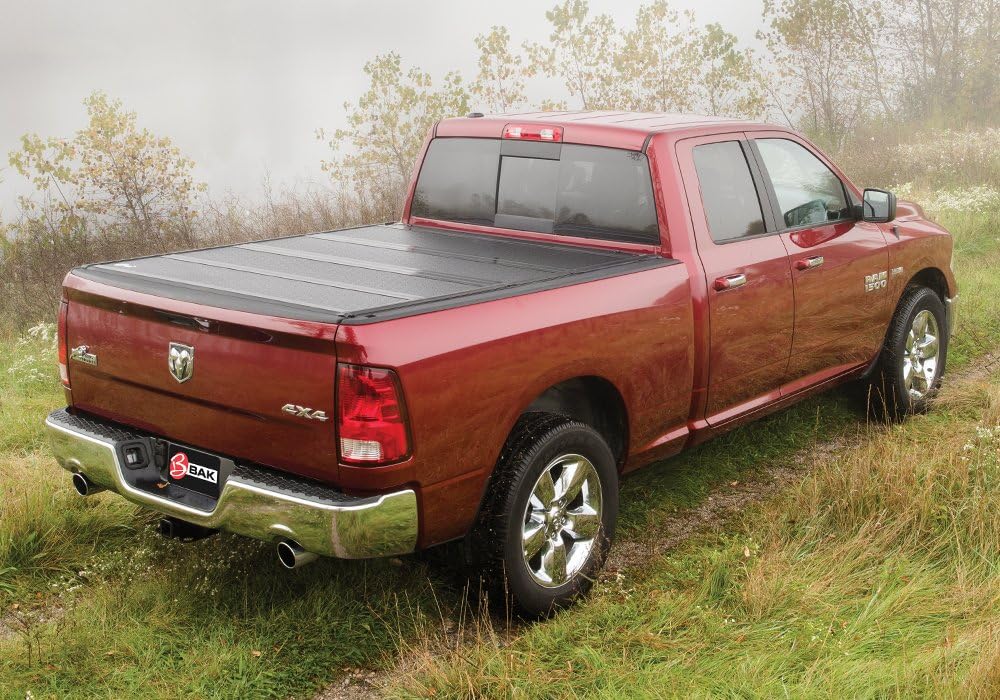
When rain starts, the F1 behaves differently. The moment the panels drop down, they feel like they lock into place and press tighter against the rails.
It resists wind lift, so the edges don’t flutter. When I’ve tested it during long highway drives in heavy rain, the bed stayed surprisingly dry – the kind of dry where you check twice because you didn’t expect it.
Dusty roads? The F1 seals tighter, so fine powder doesn’t sneak in as much. Snowfall? The F1 doesn’t sag under weight, so you’re not dealing with water pooling.
If you live somewhere where weather changes without warning, the F1 gives you confidence every time you shut the tailgate.
BAKFlip G2 – Good Everyday Weather Control, But Not Vacuum-Tight
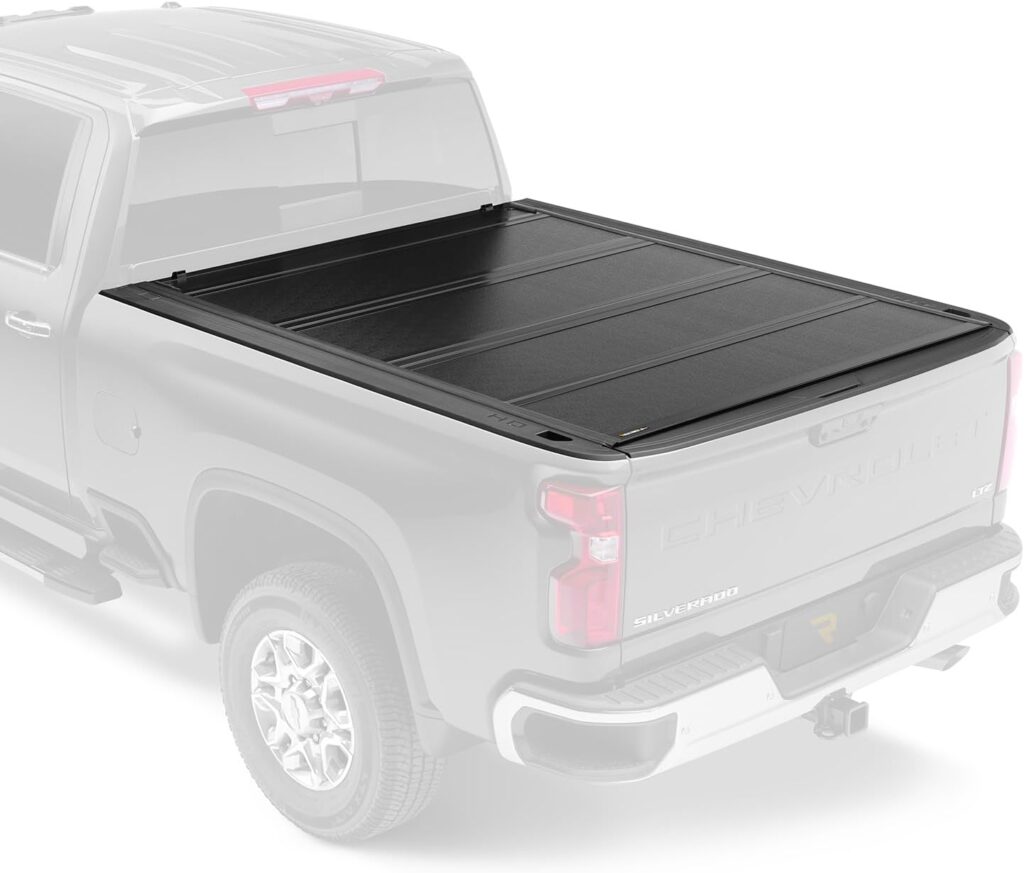
The G2 handles daily rain beautifully – your cargo stays protected. But during intense storms, there can be small moisture spots around the edges.
Most truck owners won’t mind, but if you carry sensitive gear – electronics, tools, paperwork – those tiny moisture moments matter.
The G2 is solid for sane weather, but if your area gets dramatic rainfall or dust storms, you’ll notice the difference between the two covers.
So… Who Wins This Round? F1 or G2? The BAKFlip F1 wins for tighter sealing and better storm protection.
3. Panel Weight & Ease of Handling – What Your Arms Will Feel
BAKFlip F1 – Heavier, Solid, Slower to Flip
Because the F1 uses thicker, stronger materials, each panel feels heavier when you lift it. Not too heavy — but heavy enough that you notice the “heft.”
If you’re someone who flips the cover once in the morning and shuts it at night, this isn’t a downside. But if you open and close it several times a day while doing deliveries or loading/unloading equipment, the extra weight becomes something you feel over time.
It’s not hard to lift – just not feather-light.
BAKFlip G2 – Light, Quick, and Friendly to Daily Use
The G2 panels feel almost effortless. When you grab the underside pull cable and lift, it follows your movement smoothly. You can flip the whole cover open in seconds without thinking about it.
If you’re constantly loading tall items – bikes, ladders, tall boxes – the G2 makes the opening process quick enough that it doesn’t interrupt your workflow.
For daily users who need fast access, the G2 feels like it’s working with you, not against you.
So… Who Wins This Round? F1 or G2? The BAKFlip G2 wins for its lighter, quicker-flipping panels.
4. Everyday Quietness and Road Behavior – How It Sounds While You Drive
BAKFlip F1 – A Calm, Tight, Quiet Ride
On the highway, the F1 sits down on your bed rails like it’s glued there. There’s no rattling, no panel tapping, no hollow vibration. Even when the road gets rough and the truck shakes, the F1 stays silent.
That’s one of the things F1 owners notice immediately – it feels expensive not just because it looks good, but because it sounds calm.
If you’re picky about noises (like I am), the F1 is the cover that disappears in the background of your drive.
BAKFlip G2 – Quiet Most of the Time, But Can Talk a Little on Bumpy Roads
The G2 is far from noisy – don’t worry. But because it’s lighter, you might hear a faint tap or vibration if:
- your bed rails are not adjusted perfectly
- you hit uneven roads often
- your truck has a stiffer suspension
It’s not annoying or dramatic – more like a soft reminder that you’re carrying a lightweight hard-cover.
For most drivers, the sound difference won’t matter. But if you love total silence, the F1 wins this round by a mile.
So… Who Wins This Round? F1 or G2? The BAKFlip F1 wins for a quieter, more stable ride.
5. Appearance & Finish – How It Looks on Your Truck
BAKFlip F1 – Rich Matte, Smooth, Premium Look
The F1 has a finish that feels upscale the moment you glance at it. It’s a deep, rich matte texture that hides dust, hides fingerprints, and makes the truck look cleaner than it actually is.
When sunlight hits it, the surface stays even – no sheen, no plasticky shine. It blends beautifully with trucks that have black trim or dark wheels.
If you care about style or want a cover that upgrades the truck’s personality, the F1 just looks more refined.
BAKFlip G2 – Clean, Simple, Practical Appearance
The G2 is more straightforward. Its aluminum panels have a factory-clean look but don’t carry that premium texture.
It’s attractive, just not eye-catching.
If you prefer a simple, no-flash cover that blends in quietly, the G2 fits that role perfectly.
So… Who Wins This Round? F1 or G2? The BAKFlip F1 wins with its premium matte surface.
6. Price & Value – What You Get for Your Money
BAKFlip F1 – Premium Cost, Premium Longevity
The F1 is the kind of product you buy when you want the best version of something, not the cheapest version.
Every time I’ve recommended it to contractors, overlanders, or folks who keep gear in their truck 24/7, they come back saying the same thing:
It cost more, but I never had to think about it again.
You pay once, and you enjoy peace of mind for years.
BAKFlip G2 – Great for Budget-Conscious Buyers Who Still Want Quality
The G2 is perfect for someone who wants a reliable hard-folding cover but doesn’t want to stretch the budget too far.
You’re still getting BAK’s engineering, the folding design, the security, and the clean fit – just without the premium materials.
Dollar for dollar, the G2 delivers fantastic value if your use-case isn’t extreme.
So… Who Wins This Price & Value? F1 or G2? The BAKFlip G2 wins for affordability and everyday value.
Pros & Cons of BAKFlip F1 vs G2 Tonneau Cover
BAKFlip F1 – Pros & Cons
Pros
- Handles heavy rain, dust, and harsh weather better than most covers
- Stays quiet on rough roads with almost zero rattle
- Premium matte finish that looks high-end on any truck
- Great long-term option for work trucks or frequent hauling
- Built with a tougher, impact-resistant fiberglass-reinforced surface
Cons
- Higher price compared to the G2
- Panels feel a bit heavier when flipping repeatedly
- Might be more durability than casual users actually need
BAKFlip G2 – Pros & Cons
Pros
- Lightweight panels make opening and closing super easy
- Budget-friendly but still strong enough for daily use
- Clean, simple design that suits any truck style
- Reliable protection for normal weather and everyday cargo
Cons
- Not as resistant to dents or heavy impact as the F1
- Slight moisture may appear during extreme storms
- Light rattling possible if rails aren’t aligned perfectly
Buying Guide – How to Choose Between BAKFlip F1 and G2
Choosing a tonneau cover isn’t about memorizing specs – it’s about understanding how the features relate to your daily use. Here’s what to look for when deciding which cover fits your lifestyle and truck bed needs.
Panel Strength & Durability
The strength of the panels determines how well the cover resists dents, scratches, or heavy cargo. If you haul heavy tools, construction materials, or gear that might shift, stronger panels provide long-term protection. For lighter loads or casual use, moderate-strength panels are usually sufficient.
Weather Protection & Sealing
A cover’s ability to keep out rain, snow, dust, and debris protects your cargo and prevents damage. If you often drive in harsh weather or leave gear exposed for long periods, a cover with tight seals and durable weatherproofing reduces the chance of water intrusion. For mild climates or occasional rain, basic weather resistance may be enough.
Ease of Handling & Panel Weight
The weight and flexibility of the panels affect how easy it is to open, fold, or remove the cover. Frequent access to your truck bed benefits from lightweight panels or smooth folding mechanisms. Less frequent use may allow for heavier, more reinforced panels that offer better protection.
Noise Control & Stability on the Road
A cover that rattles or vibrates while driving can be annoying and sometimes damage the panels over time. If you drive on highways, rough roads, or carry delicate cargo, a cover with minimal vibration and quiet operation improves comfort and protects your gear.
Appearance & Finish
The finish affects aesthetics, maintenance, and how the cover holds up over time. A matte or textured finish may hide scratches and dust, while smoother surfaces might be easier to clean. Think about whether style or practicality is more important for your vehicle.
Compatibility & Fit
A proper fit ensures optimal performance, weatherproofing, and safety. Check your truck’s bed size, bed liner type, and any accessories. A cover that aligns precisely with the rails, cab, and tailgate performs better and lasts longer.
Instead of choosing based on price or brand alone, match the features of a tonneau cover to your actual needs: load type, weather exposure, frequency of use, noise tolerance, appearance preference, and maintenance requirements. Evaluating these aspects first makes it easier to select a cover that truly fits your lifestyle and protects your cargo effectively.
Frequently Asked Questions (FAQ)
What should I consider when choosing panel material?
Panel material determines durability, weight, and resistance to dents or scratches. Stronger panels like fiberglass-reinforced surfaces handle heavy cargo and rough handling, while aluminum panels are lighter and easier to fold, suitable for everyday loads. Consider what you carry most often and how often you open the cover.
How important is weather sealing?
Weather sealing affects how well your cargo is protected from rain, snow, dust, and debris. Tighter seals and reinforced edges reduce water and dirt intrusion, which is critical if you leave gear exposed or drive in harsh weather frequently.
Does panel weight affect usability?
Yes. Heavier panels offer more durability and stability but require more effort to lift or fold. Lighter panels are easier to handle, especially if you open and close the cover multiple times a day. Think about the balance between strength and convenience.
How does the cover impact noise while driving?
Covers with tighter panel fit and reinforced construction reduce rattling or vibration on rough roads. If you often drive at highway speeds or on uneven terrain, a cover with minimal noise improves comfort and prevents unnecessary wear.
What role does finish and appearance play?
The finish influences aesthetics, scratch resistance, and maintenance. Matte or textured surfaces hide dust and minor scratches, while smooth finishes can be easier to clean. Choose a finish that suits your style and how much effort you want to spend on upkeep.
How do I know if the cover fits my truck?
Check your truck’s bed size, liner type, and rail alignment. Proper fit ensures optimal weather sealing, stability, and long-term performance. Always measure your bed accurately and verify compatibility with the cover system before purchasing.
Are some covers easier to maintain than others?
Yes. Materials resistant to UV damage, corrosion, or dirt accumulation require less frequent cleaning and last longer. Consider the climate you live in and how much maintenance you’re willing to perform when evaluating options.
How does bed access affect cover choice?
Some covers fold fully, partially, or roll back. If you frequently load long items or need quick access, a cover that offers flexible folding options improves convenience. Consider your typical cargo size and loading patterns.
Conclusion
A tonneau cover is more than just a truck accessory — it’s about protecting your cargo, simplifying daily use, and fitting your lifestyle. If you need maximum strength, weather protection, and a premium feel, the BAKFlip F1 stands out for heavy-duty hauling and harsh conditions.
For those who prioritize lightweight convenience, ease of access, and affordability, the BAKFlip G2 offers reliable performance for everyday use. Focus on your daily hauling habits, weather exposure, and handling preferences, and you’ll know which cover aligns perfectly with your truck and needs.